
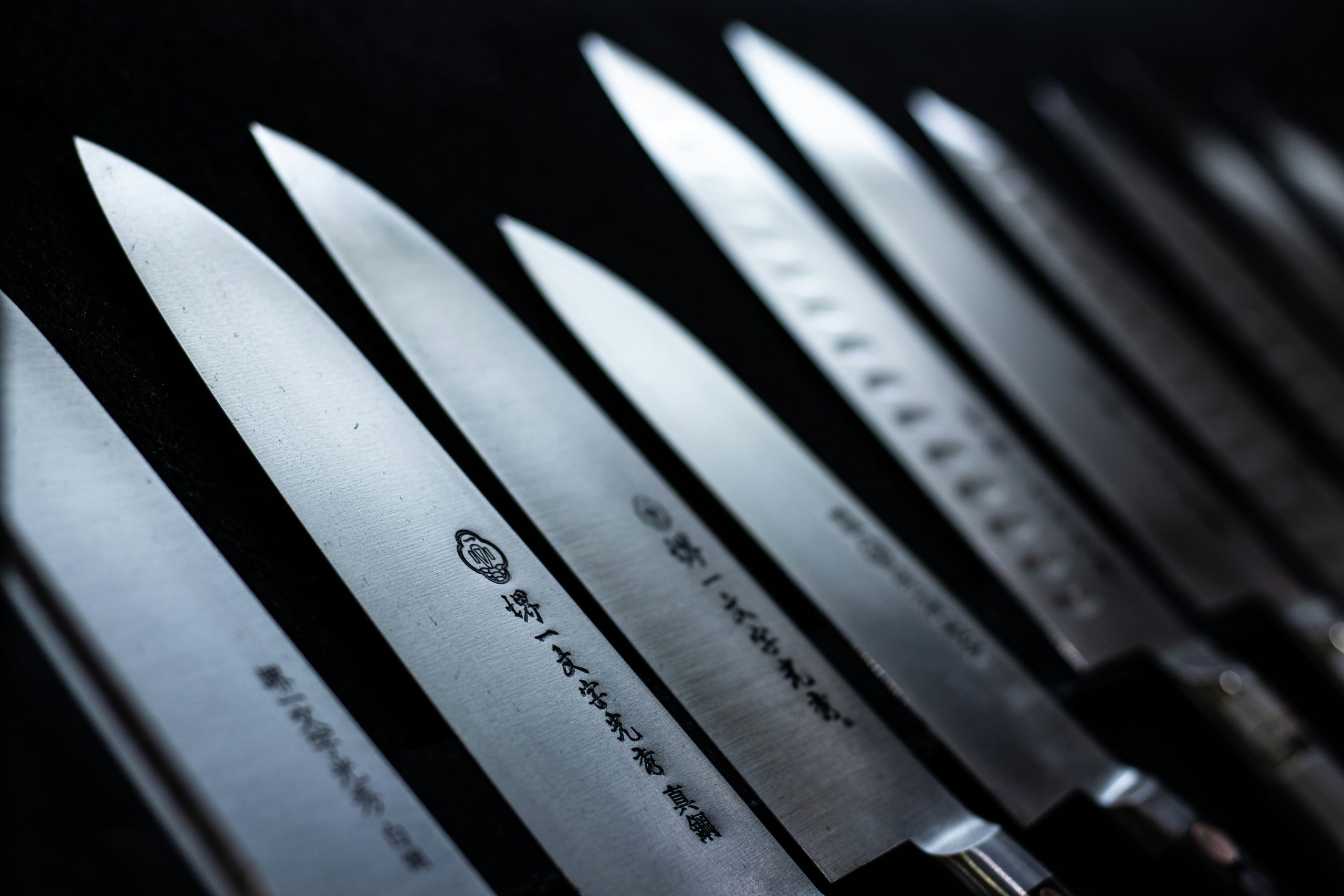
Damascus Steel Kitchen Knives: Are They Worth the Investment?
In This Guide
Damascus Steel Kitchen Knives: Are They Worth the Investment?
There’s something almost hypnotic about a Damascus steel knife. Those swirling, water-ripple patterns seem to carry centuries of craftsmanship in every layer. But beneath the beauty lies a real question: are Damascus steel kitchen knives actually better — or are you paying for art?
The answer is nuanced, and depends entirely on how Damascus steel is made, what’s at the core, and what you actually value in a kitchen knife. This guide cuts through the mystique to give you a technically honest answer.
What Is Damascus Steel? History and Modern Manufacturing
The Historical Damascus
True “Damascus steel” — historically called wootz steel — originated in South Asia and was traded through the city of Damascus in medieval Syria. It was made by a crucible process creating high-carbon steel with distinctive carbide banding, prized for exceptional sharpness and toughness. The technique was effectively lost by the 18th century.
What you see on modern kitchen knives is not wootz. It’s pattern-welded steel — a separate tradition revived by bladesmiths in the 20th century that creates visually similar patterns through a completely different process.
How Modern Damascus Is Made
Modern Damascus kitchen knives are made by forge-welding multiple layers of steel together, then acid-etching to reveal the pattern. The cladding layers create the pattern; the core steel determines cutting performance.
| Core Steel | HRC | Characteristics |
|---|---|---|
| VG-10 | 60–62 | Most common; excellent balance of sharpness, edge retention, and corrosion resistance |
| AUS-10 | 59–61 | Good all-rounder, slightly less refined than VG-10 |
| SG2/R2 | 62–65 | Premium powder steel; exceptional edge retention, harder to resharpen |
| Blue Steel (Aogami) | 62–65 | Traditional Japanese high-carbon; superb sharpness, requires careful maintenance |
Damascus vs Plain Steel: Real Performance Differences
Where Damascus doesn’t add performance: Sharpness, toughness, and corrosion resistance come from the core steel — not the cladding pattern. A plain VG-10 knife and a Damascus-clad VG-10 knife will sharpen identically.
Where Damascus does offer real benefits: The micro-texture from layered cladding can slightly reduce food sticking to the blade. Multi-layer construction can also improve structural rigidity over budget single-steel knives. And if you take better care of a knife because you love looking at it, that’s a genuine functional benefit.
What to Look for When Buying a Damascus Knife
1. The Core Steel Is Everything
Before anything else, ask: what is the cutting core? VG-10 is the industry standard for good reason. SG2/R2 is excellent for harder edge retention. Avoid vague “high-carbon steel” descriptions without a specific alloy name — it often signals mediocre steel with a pretty pattern.
2. Layer Count — More Isn’t Always Better
67-layer knives are excellent. So are 33-layer knives. After about 64 layers, additional folding has diminishing returns. Be skeptical of “512 layers!” as a quality indicator — it’s marketing spectacle, not engineering.
3. Handle Quality and Balance
Pakkawood and resin-stabilized wood offer beauty with moisture resistance. G-10 or Micarta are synthetic composites: durable, easy-clean, tactile grip. Hold the knife at the pinch grip — the balance point should feel neutral, not blade-heavy or handle-heavy.
Top 5 Damascus Steel Kitchen Knives
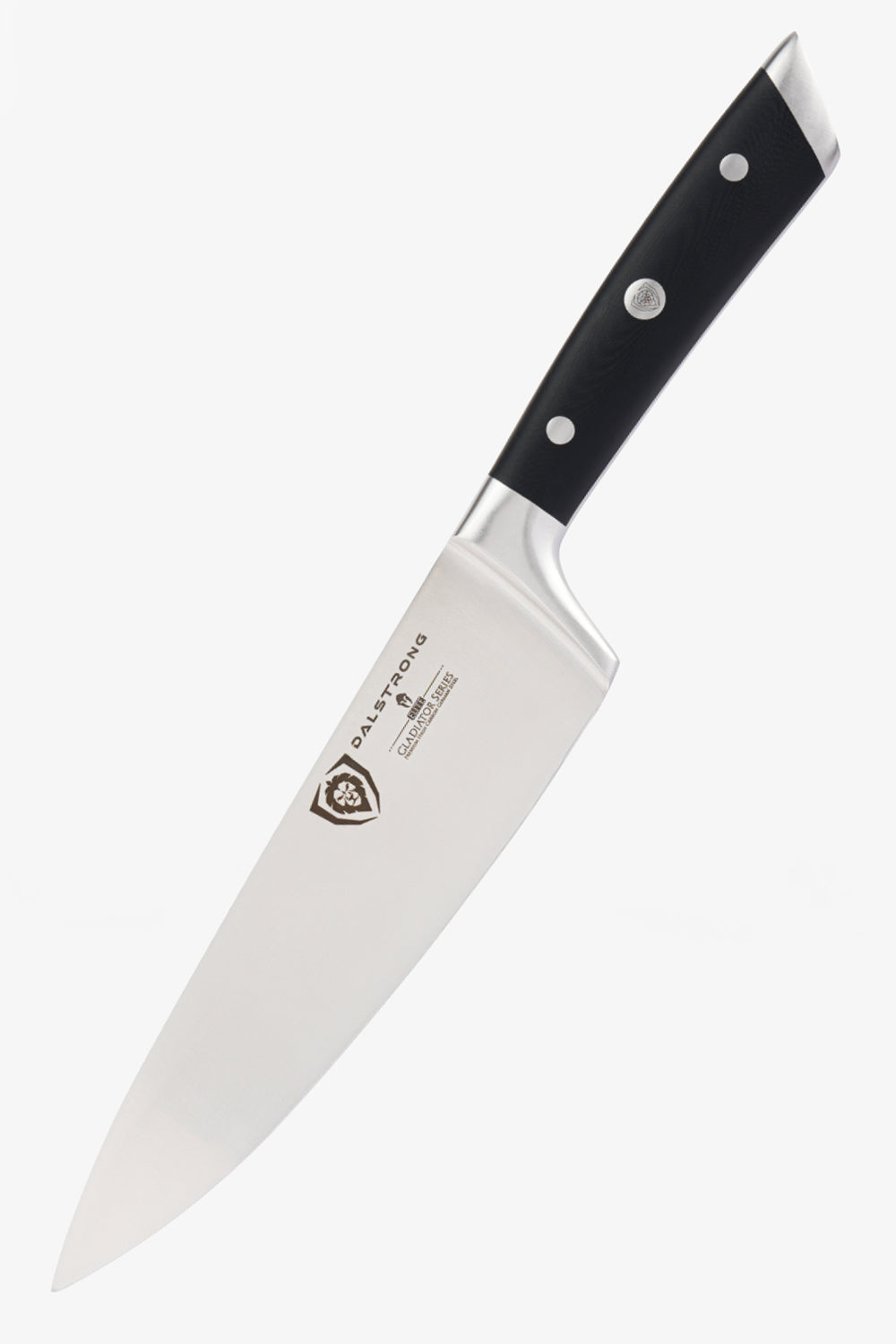
Dalstrong Gladiator Damascus 8″ Chef Knife
- German high-carbon stainless core (56 HRC)
- 67-layer Damascus cladding
- G-10 composite handle
- Best entry point into Damascus kitchen knives
A well-regarded entry into Damascus kitchen knives. German steel core is softer than Japanese equivalents — easier maintenance, more frequent honing. The 67-layer Damascus cladding is genuinely beautiful. Excellent for home cooks who want the Damascus look without Japanese knife demands.
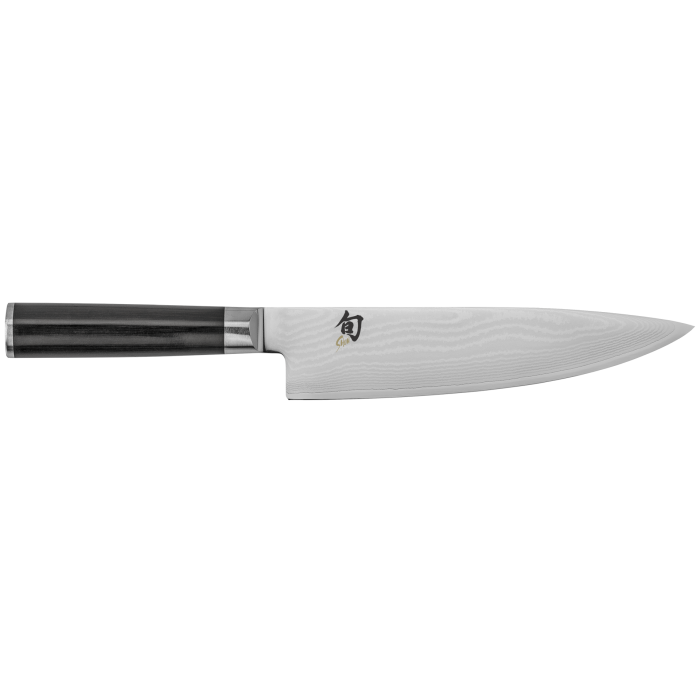
Shun Classic 8″ Chef’s Knife
- VG-MAX core (proprietary VG-10 variant, 61 HRC)
- 68-layer Damascus cladding from Seki City, Japan
- D-shaped PakkaWood handle
- Gold standard for mid-range Damascus
Shun’s Classic line is the gold standard for mid-range Damascus. The VG-MAX core delivers exceptional sharpness at 61 HRC. Made in Seki City — Japan’s historic knife-making center — with 68 layers of exquisitely finished Damascus cladding.
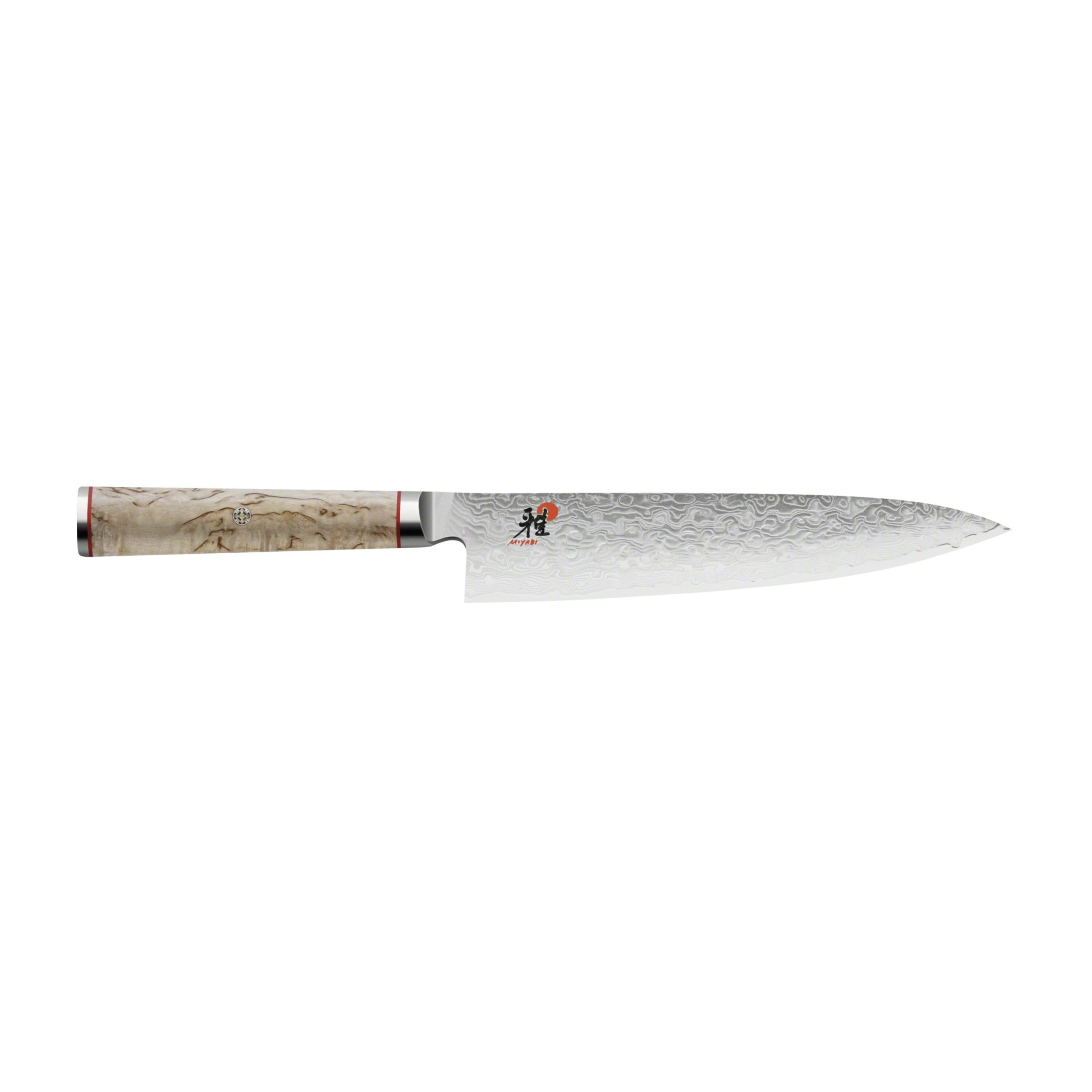
Miyabi Birchwood 8″ Chef’s Knife
- SG2/R2 powder steel core (63 HRC)
- 101-layer Damascus cladding
- Birchwood handle with mosaic pin
- Best for enthusiasts who want premium performance
Miyabi (a Zwilling brand, made in Seki) offers gorgeous aesthetics with the Birchwood series. The SG2 powder steel core hits 63 HRC for outstanding edge retention. The birch-grain handle with mosaic pin is stunning. Requires slightly more care in sharpening due to harder steel.
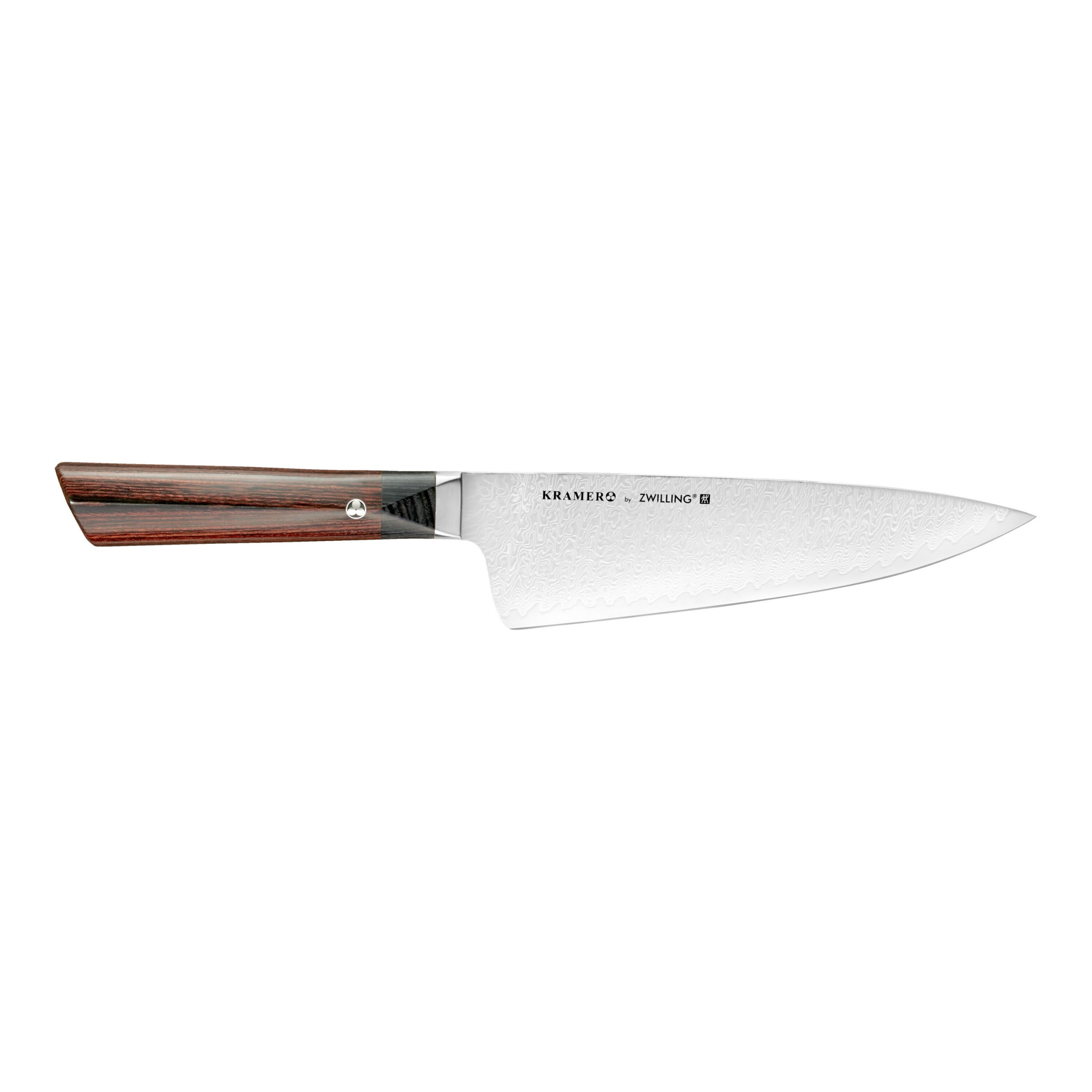
Kramer by Zwilling Meiji 8″ Chef’s Knife
- SG2 core — exceptional sharpness and retention
- 100-layer Damascus cladding
- Tagayasan (Japanese hardwood) handle
- Bob Kramer design philosophy at production scale
Bob Kramer is arguably the most famous American bladesmith, and these Zwilling-produced knives bring his design philosophy to a production scale. The SG2 core achieves exceptional sharpness. The 100-layer Damascus cladding is among the most visually striking in production knives.
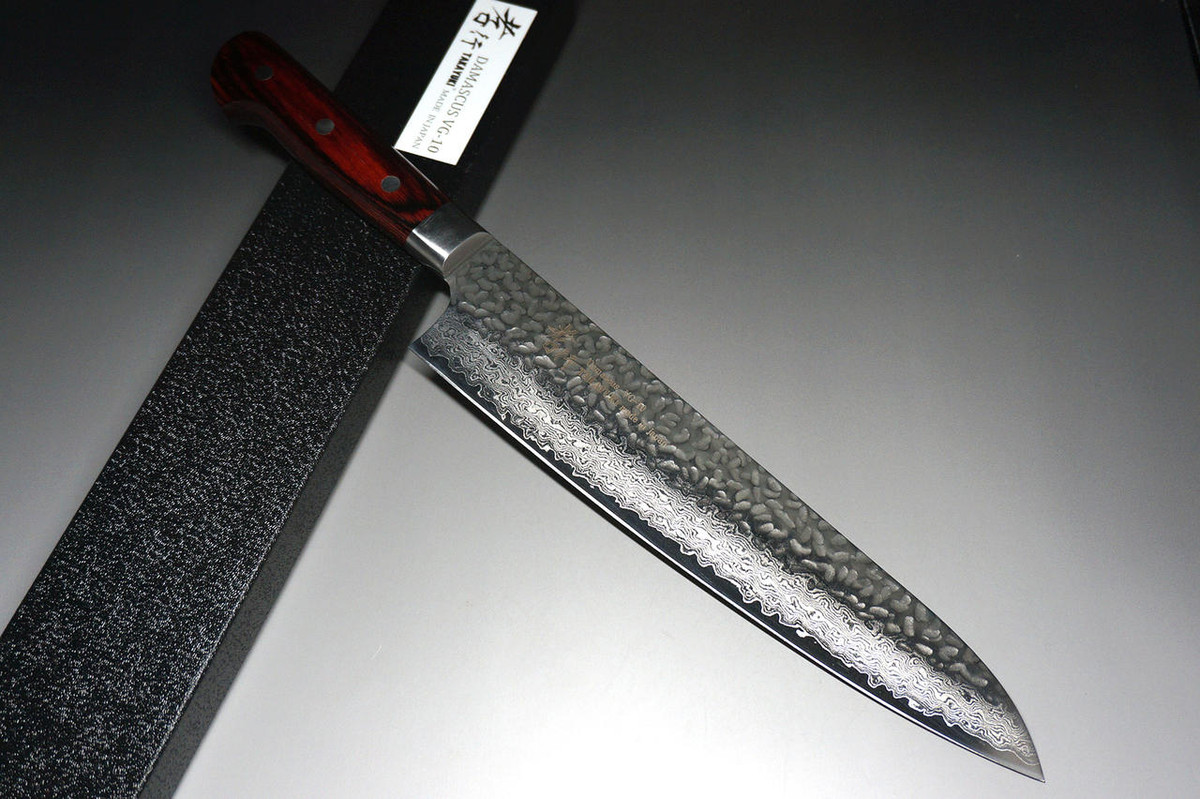
Sakai Takayuki 33-Layer Damascus Gyuto 240mm
- VG-10 core, superbly heat-treated in Sakai, Osaka
- 33-layer Damascus cladding — traditional Japanese
- Octagonal Japanese handle (wa-style)
- Beloved by professional chefs
For those who prefer traditional Japanese gyuto geometry, Sakai Takayuki’s hand-forged Damascus line represents excellent value at the high end. Made in Sakai — Japan’s historic cutlery center. The 240mm gyuto’s thin tip and long cutting edge is beloved by professional chefs.
Quick Comparison
| Knife | Price | Core Steel | HRC | Layers | Best For |
|---|---|---|---|---|---|
| Dalstrong Gladiator | $80–$100 | German HC Stainless | 56 | 67 | Entry Damascus |
| Shun Classic | $150–$180 | VG-MAX | 61 | 68 | Best overall value |
| Miyabi Birchwood | $200–$250 | SG2/R2 | 63 | 101 | Premium performance |
| Kramer Meiji | $300–$350 | SG2 | 63+ | 100 | Design + performance |
| Sakai Takayuki | $250–$400 | VG-10 | 60–62 | 33 | Traditional Japanese |
Common Damascus Myths Debunked
Frequently Asked Questions
Are Damascus kitchen knives dishwasher safe?
No. Dishwashers damage handle materials (especially natural wood), can dull the edge, and expose Damascus cladding to harsh chemicals. Always hand-wash and dry immediately.
How do I maintain a Damascus knife?
Hone regularly with a ceramic rod. Sharpen with whetstones (1000 grit, then 6000+) when honing no longer restores the edge. Oil wooden handles occasionally with food-grade mineral oil.
What angle should I sharpen a Damascus knife?
Follow the core steel specification. Most Japanese Damascus knives (VG-10, SG2) are ground to 15°–16° per side. German-core Damascus knives typically use 20° per side.
So Are Damascus Knives Worth It?
Start with: The Shun Classic (~$165) if you want trusted Japanese quality without the ultra-premium. Or the Miyabi Birchwood (~$225) for the best balance of performance and visual wow factor.
Ready to Invest in a Damascus Knife?
Browse our full collection of Damascus steel kitchen knives — from entry-level to master-grade artisan pieces.
Browse Damascus Knives →